7 Best Women’s Insulated Ski Jackets for Rocky Mountain Days (2026)
Find the best women's insulated ski jacket for Colorado, Utah and Montana days. Compare seven picks by warmth, waterproofing, fit and layering needs.
 By Caleb Morgan
Updated November 21, 2026
 By Caleb Morgan
Updated November 2026
Finding the best women’s insulated ski jacket comes down to three things: how warm it runs at cold altitude, whether it stays waterproof through wet snow, and whether the cut leaves room for a base layer and a fleece. The seven jackets below were selected from product listings, brand specifications and common owner feedback patterns. Each one is matched to a specific need so you can narrow the list quickly.
Our top picks at a glance
- 1TOP CHOICEBest overallColumbia Women's Snowy Summit Insulated JacketView on Amazon
- 2
 TOP CHOICEBest for wet, heavy snowArctix Women's Insulated Waterproof Taped Ultimate Performance Ski Snowboard JacketView on Amazon
- 3
 TOP CHOICEBest for fleece-layer warmthMAGCOMSEN Women's 3-in-1 Winter Ski JacketView on Amazon
- 4
 Best for budget-minded buyersMAGCOMSEN Womens Snow Jacket Waterproof Insulated Ski JacketsView on Amazon
- 5
 Best for windy ridgelinesMOERDENG Women's Waterproof Warm Ski CoatView on Amazon
- 6
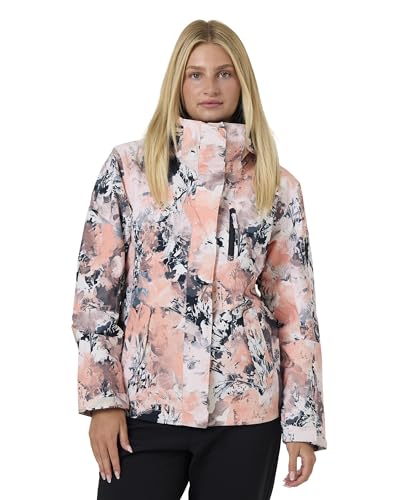 Best for style-conscious ridersRoxy Women's Jetty Block JacketView on Amazon
- 7
 Best for variable spring daysTACVASEN Women's Winter Ski Jacket Waterproof Insulated Fleece Coat MoView on Amazon
Our Top Picks
Quick Comparison
| Product | Best for | Key feature |
|---|---|---|
| Columbia Women’s Snowy Summit Insulated Jacket | Best overall | Fully waterproof, powder skirt |
| Arctix Women’s Insulated Waterproof Taped Jacket | Wet, heavy snow | Taped seams, insulated body |
| MAGCOMSEN Women’s 3-in-1 Winter Ski Jacket | Fleece-layer warmth | Removable fleece liner |
| MAGCOMSEN Womens Snow Jacket Waterproof | Budget-minded buyers | Hood and windproof shell |
| MOERDENG Women’s Waterproof Warm Ski Coat | Windy ridgelines | Windproof shell, zip pockets |
| Roxy Women’s Jetty Block Jacket | Style-conscious riders | 10K waterproof, recycled fabric |
| TACVASEN Women’s Winter Ski Jacket | Variable spring days | Fleece-lined, hooded design |
Columbia Women’s Snowy Summit Insulated Jacket
Columbia Women's Snowy Summit Insulated Jacket | Fully Waterproof, Insulated, Powder Skirt, Extended Fit Available
Best for: Best overall
A dependable all-round choice for resort skiers who want full waterproofing and a built-in powder skirt without paying attention to niche features.
Pros
- Fully waterproof shell
- Powder skirt keeps snow out
Cons
- Fit runs standard, so size up for layering
Arctix Women’s Insulated Waterproof Taped Ultimate Performance Ski Snowboard Jacket
Arctix Women's Insulated Waterproof Taped Ultimate Performance Ski Snowboard Jacket, Gravel, Medium
Best for: Best for wet, heavy snow
Suited to riders who spend long days in wet Colorado or Montana snow and need seams that stay sealed.
Pros
- Taped, waterproof construction
- Insulated body suits cold lift lines
Cons
- Heavier than lightweight shells
MAGCOMSEN Women’s 3-in-1 Winter Ski Jacket
MAGCOMSEN Women's 3-in-1 Winter Ski Jacket – Waterproof, Insulated, Fleece – Dark Purple
Best for: Best for fleece-layer warmth
Works well for skiers who want to adjust warmth by separating the shell from the fleece on colder or milder days.
Pros
- Separates into shell and fleece
- Waterproof outer layer
Cons
- Two-piece system adds bulk in the pack
MAGCOMSEN Womens Snow Jacket Waterproof Insulated Ski Jackets
MAGCOMSEN Womens Snow Jacket Waterproof Insulated Ski Jackets Ladies Snowboarding Jackets Winter Jackets with Hood Windproof Hiking Jacket
Best for: Best for budget-minded buyers
A practical starting point for new skiers or anyone who wants a waterproof, insulated jacket for occasional trips.
Pros
- Hooded, windproof design
- Straightforward layout
Cons
- Insulation may feel light on extended high-altitude days
MOERDENG Women’s Waterproof Warm Ski Coat
MOERDENG Women's Waterproof Warm Ski Coat Windproof Outdoor Winter Jacket | Waterproof Windproof Winter Coat With Zipper Pockets, Breathable Warm Hooded Jacket for Ski, Outdoor Winter Activities
Best for: Best for windy ridgelines
Fits skiers who spend time on exposed terrain where wind chill is the main threat.
Pros
- Windproof shell
- Zip pockets for small essentials
Cons
- Fewer technical details than premium shells
Roxy Women’s Jetty Block Jacket
Roxy Women's Jetty Block Jacket – 10K Waterproof, Insulated Snow Jacket, PFAS-Free, Recycled Fabric, Peach Pink, Medium
Best for: Best for style-conscious riders
A good fit for skiers who want a clean, fashionable look on the mountain and in town after the lifts close.
Pros
- 10K waterproof rating per manufacturer specification
- Recycled, PFAS-free fabric
Cons
- Peach Pink color may not suit everyone
Buying Guide
Waterproof Rating and Seam Sealing
Look for a jacket labeled fully waterproof with taped or sealed seams, since that is what keeps wet snow from soaking through at the shoulders and cuffs. A waterproof membrane matters more on wet, heavy snow days than on dry powder days. Pay attention to whether the seams are described as taped, because unsealed stitching lets water in even when the fabric itself is waterproof.
Insulation Type and Warmth at Altitude
Insulation determines how warm the jacket feels once you are standing still on a chairlift at high elevation. Some jackets use synthetic fill or built-in fleece, while others rely on a lighter shell and a separate mid layer. Choose more insulation if you run cold or spend long stretches waiting in the wind, and less if you ski hard and generate a lot of body heat.
Fit, Layering Room, and Length
A ski jacket should leave enough room in the shoulders and chest for a fleece or sweater underneath without restricting your movement. Check whether a jacket offers an extended or longer fit, since a longer hem helps keep snow out when you sit on the lift. Consider how the sleeves fit over gloves and whether the cut allows you to crouch and turn comfortably.
Hood, Pockets, and Snow Protection
A helmet-compatible hood, adjustable cuffs, and a powder skirt or snow gaiter all help block cold air and snow. Interior pockets are useful for keeping a phone or lift pass dry and easy to reach. Make a quick list of the features you will actually use before comparing jackets, since extra pockets and zips add weight and cost without always adding value.
Breathability and Layering Strategy
Breathability matters because a jacket that traps sweat will leave you damp and cold once you stop moving. Look for venting options such as underarm zips or a breathable membrane if you ski hard or hike uphill. Matching your jacket’s insulation level to your usual layering setup will help you stay comfortable across the full range of temperatures on a Rocky Mountain day.
FAQ
Is an insulated ski jacket warm enough without extra layers?
Many insulated ski jackets are warm enough for moderate conditions on their own, especially when paired with a light base layer. On very cold days or when you spend a lot of time sitting on lifts, you may want a fleece or mid layer underneath. Consider your own cold tolerance when deciding how much insulation you need.
What does waterproof mean for a ski jacket?
Waterproof generally means the fabric resists water penetration under pressure, and taped or sealed seams prevent leaks at stitching points. Ski jackets are typically tested to handle wet snow and light precipitation rather than full submersion. A jacket with a higher waterproof rating will hold up better in heavy, wet snow.
Should I size up for layering underneath?
Sizing up can help if you plan to wear a thick fleece or sweater under your shell, but a jacket that is too large can let cold air in and make movement awkward. Check the size chart and consider whether the jacket offers an extended or longer fit if you need more length. Trying on your typical layering setup before you buy is the most reliable approach.
How do I keep snow from getting in at the cuffs and hem?
Adjustable cuffs with hook-and-loop closures and a powder skirt or snow gaiter are the most effective defenses against snow. Make sure the hem sits low enough to cover your waistband when you bend or sit. Pairing the jacket with snow pants that have a good fit also reduces snow entry at the waist.
Are these jackets suitable for hiking as well as skiing?
Some of these jackets are described as suitable for hiking or general winter outdoor activities, but their insulation and breathability are primarily designed for resort skiing and snowboarding. If you plan to hike uphill and generate significant heat, look for a jacket with good venting and a lighter insulation level. Check each product’s stated intended uses before relying on it for backcountry travel.
Conclusion
If you want an all-around choice that balances warmth, weather protection, and fit for most resort days, the Columbia Women’s Snowy Summit Insulated Jacket is a strong starting point. For wet, heavy snow and long days in harsh conditions, the Arctix Women’s Insulated Waterproof Taped Ultimate Performance Ski Snowboard Jacket and the Roxy Women’s Jetty Block Jacket are better suited to those needs, while the MAGCOMSEN 3-in-1 and TACVASEN options work well for anyone who wants to layer a fleece.
Budget-minded skiers who ski mostly in dry, cold conditions may find the MAGCOMSEN Womens Snow Jacket or the MOERDENG Women’s Waterproof Warm Ski Coat a practical fit. Choose the jacket that matches your typical weather, your layering habits, and how much time you spend on the lift versus moving on the slopes.
Related reading
- 5 Best Insulated Ski Jacket Women's Picks for Rocky Mountain Days (2026)
- 6 Best Ski Jacket Womens Insulated for Rocky Mountain Days (2026)
- 5 Best Helly Hansen Men's Gravity Insulated Ski Jacket Picks (2026)
- 3 Best Men's Kvitfjell Race Insulated Ski Jackets for Rocky Mountain Days (2026)
- Gore Tex Insulated Ski Jacket Womens: Does It Keep You Warm and Dry?
- 7 Best North Face Insulated Ski Jackets for Rocky Mountain Days
About Caleb Morgan
Caleb Morgan is part of our editorial team and reviews and edits our rocky mountain ski trips guides, checking product details against manufacturer specifications and owner feedback.
About the author
Caleb Morgan writes reviews and buying guides for Skiing The Rockies.