Kari Traa Base Layer Review: Rose Women’s Wool Top (2026)
Is the Kari Traa base layer worth it for Rocky Mountain skiing? See who should buy the Rose 1/2-zip wool top, its specs, pros, cons and alternatives.

 By Owen Ward
Updated November 2026
The kari traa base layer line has a loyal following among skiers who want merino-style warmth without bulk, and the Rose 1/2-zip wool top is one of the most straightforward ways to try it. This review is a research-based look at the Kari Traa Women’s Rose 1/2-Zip Wool Base Layer Top, based on the product listing and the patterns owners commonly describe. It is a good fit for women who ski in cold, dry Colorado, Utah and Montana conditions and want a mid-weight top that can sit under a shell or fleece without feeling heavy. It is a weaker choice for anyone who sweats heavily on uphill laps and wants a base layer built primarily for high-output activity, or for buyers who need the most minimal, lightweight layer possible for warm spring days.
Kari Traa Womens Rose 1/2-Zip Wool Base Layer Top, M, Blue
Product Overview
The Kari Traa Women’s Rose 1/2-Zip Wool Base Layer Top is a women’s long-sleeve base layer from Norwegian brand Kari Traa, a company known for merino and wool blends designed for cold-weather sport. The listing identifies this piece as a half-zip, which means a short zipper at the neckline lets you vent heat quickly when you step off a chairlift and start to warm up. The color listed is blue, and the size on this listing is medium.
Kari Traa has built its reputation on wool-based layers for skiing, hiking and outdoor work, and the Rose top sits in the middle of that range. It is intended to be worn next to the skin as the first layer in a system, with a mid layer such as a fleece or light insulated jacket on top and a waterproof shell when conditions call for it. For Rocky Mountain skiing, where morning temperatures at higher elevations can sit well below freezing and afternoon sun can push you to shed layers, a half-zip top with a clear base-layer role is a practical starting point.
If you are still deciding how much warmth you need, it helps to read a broader guide first. The article Women's Base Layer Clothing: How to Choose and Layer for Rocky Mountain Skiing walks through how weight, fabric and fit interact with the rest of your kit. 7 Best Base Layers for Ski Options for Every Budget and Climate (2026) goes further into this.
Key Features & Specifications
The table below lists only the details that are stated in the product name or are well established for this model family. Where a specification is not confirmed in the listing, it is left out rather than guessed. Check the Amazon listing for the current size chart and care instructions before you buy.
| Feature | Detail |
|---|---|
| Brand | Kari Traa |
| Product type | Women’s base layer top |
| Style | 1/2-zip pullover (long sleeve) |
| Fabric | Wool-based base layer (per product category; confirm exact blend on listing) |
| Intended use | Next-to-skin layer for skiing and cold-weather outdoor activity |
| Size listed | Medium (M) |
| Color listed | Blue |
| ASIN | B0FBKDRCRV |
Manufacturers in this category typically specify fiber content, care method and fit as separate details, so check the full product page for the blend percentage and washing guidance. A half-zip neckline is useful because it gives you ventilation control without removing the top, which matters when you are moving between a cold lift line and a steep run.
Pros & Cons
Pros
- Half-zip neckline gives quick venting on warmer runs and during uphill travel.
- Wool-based construction is well suited to regulating temperature across changing conditions.
- Designed as a dedicated base layer, so it works cleanly under shells and fleece.
- Recognizable brand focused on cold-weather sport rather than casual wear.
- Single-color, classic styling that pairs easily with most ski outerwear.
Cons
- Wool layers generally need more careful washing than basic synthetics.
- Sizing can run differently between brands, so buyers should check measurements against their usual fit.
- Not the best choice for very high-output touring if you run hot and sweat heavily.
- A single color option limits personal style preferences.
Performance Analysis
Owners of wool base layers in general tend to report the same core benefits: the fabric stays comfortable across a wide temperature range, resists odor better than many synthetic options during multi-day trips, and feels softer after a few wears. For a women’s ski top, those qualities matter most during long days at altitude, where the temperature swings from a cold lift ride to a sunny mid-mountain traverse. A layer that moderates moisture and temperature reduces the number of times you have to stop and change.
The half-zip design adds a practical advantage. Skiers commonly describe overheating as the most frustrating part of a cold-weather setup, and a neck zipper is a simple way to dump heat without fully stripping down. The trade-off is that a half-zip does not ventilate the torso as completely as a full-length zip or an open jacket, so on very warm days you may still need a mid layer off.
Fit plays a large role in base layer performance. A layer that is too loose bunches under a shell and can create cold spots, while one that is too tight restricts movement and can make a wool fabric feel less comfortable. Owners often recommend choosing the size that fits close to the body without pulling at the shoulders, since that is when the fabric works as intended. Expect some stretch and recovery in wool blends, but do not expect a compression fit.
For Rocky Mountain conditions specifically, the Rose top is best understood as a mid-weight, versatile layer rather than a specialty piece. It pairs well with a light fleece on cold mornings and a shell in wind or snow, and it can be worn alone on milder days. If you spend most of your time in very deep cold or on extended backcountry tours, you may want a heavier weight or a different system, which the guide below covers.
Who Should Buy This Product?
This top suits a skier who wants one reliable next-to-skin layer for resort days and mixed-conditions trips. It is a good match for women who value natural fibers, who want a clean, classic look under ski outerwear, and who appreciate the ventilation a half-zip offers. Skiers who spend most of their days at Colorado, Utah or Montana resorts, where conditions change through the day, will likely find it a useful all-round piece.
You should probably skip this top if you need an ultralight layer for spring corn skiing or warm-weather hiking, if you sweat heavily during sustained climbs, or if you prefer a fully synthetic fabric that you can machine-dry without concern. In those cases, one of the alternatives covered below may be a better fit.
Buying Guide
Before you commit to any women’s base layer, work through a few decisions in order. Start with the weight you need. Lighter weights suit high-output days and warm conditions, while heavier weights suit cold, low-activity days and lift-served skiing. The guide Merino Base Layer Clothing: How to Choose and Layer It for Rocky Mountain Skiing explains how to match weight to temperature and activity level.
- Decide on fabric first. Wool blends handle temperature swings and odor well, while synthetics dry quickly and tolerate rougher laundering. Read the fiber content on the listing rather than assuming.
- Pick a neckline. A half-zip or quarter-zip gives venting control. A crew neck is simpler but gives you fewer options to cool down.
- Check the size chart. Compare your chest, waist and sleeve measurements to the brand chart, not your usual size in other brands.
- Plan the layering system. Your base layer should be snug and thin enough to fit under a mid layer and shell without bulk.
- Consider your bottoms and socks. Matching wool base layers across the body keeps your system consistent.
Here are three well-known alternatives worth comparing if the Rose top does not match what you need:
- Kari Traa Women’s Smekker Half-Zip Baselayer Top, a fitted merino-focused option from the same brand, useful if you want a closer fit and a 100% merino fabric.
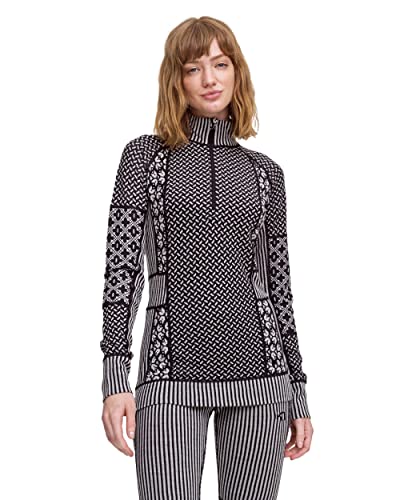
Kari Traa Women's Smekker Half-Zip Baselayer Top – Premium 100% Merino Wool Fitted Long Sleeve Shirt, Black, Large
- Merino.tech 100% Merino Wool Base Layer Women, a thermal merino shirt that offers a different fit profile for buyers comparing brands.

Merino.tech 100% Merino Wool Base Layer Women – Thermal Base Layer Shirt (Small, 250 Nordic Tale Berry)
If you are still weighing wool against synthetic fabrics, the comparison in Men Merino Wool Base Layer vs Synthetic: Which Should You Choose? (2026) is useful even though it targets men’s sizing, since the fabric trade-offs are the same.
FAQ
Is the Kari Traa Rose top good for skiing?
It is designed as a base layer for cold-weather activity, including skiing. Its half-zip neckline helps with temperature control on the slopes, and its mid-weight construction suits a wide range of resort conditions. Whether it is right for you depends on how much you sweat and how cold your typical days run.
Does this top run true to size?
Base layer sizing varies by brand and fit preference. Compare your body measurements against the size chart on the Amazon listing before buying, and consider sizing down if you want a closer fit under a shell.
How should I wash a wool base layer?
Wool base layers generally do best with gentle washing in cool water and air drying flat. Check the care label on your specific piece, since fiber blends can differ. Avoid high heat in the dryer, which can cause shrinkage and reduce fit.
Is it warm enough for very cold days in the Rockies?
It can work as a mid-weight layer in cold conditions when paired with a fleece or insulated mid layer and a windproof shell. For extended cold exposure or low-activity days, you may need a heavier base or additional insulation.
Can I wear it alone in spring?
Yes, on milder days it can be worn on its own. On warm, high-output spring days, you may find a lighter-weight layer more comfortable, and the half-zip will help with venting.
Should I buy a wool or synthetic base layer?
Wool offers strong odor resistance and temperature moderation, while synthetics often dry faster and cost less to maintain. Your choice depends on how many days you wear the layer between washes and how much you sweat.
Does it work under a ski jacket?
A base layer like this is intended to sit beneath a jacket. Choose a size that stays snug without restricting movement so it does not bunch under your shell.
Is this a good first base layer for a new skier?
It can be, especially if you want a versatile piece that works across changing resort conditions. Beginners often benefit from a single reliable layer that is easy to manage, and the half-zip offers a simple way to adjust warmth.
Final Verdict
The Kari Traa Women’s Rose 1/2-Zip Wool Base Layer Top is a sensible choice for Rocky Mountain skiers who want a mid-weight, wool-based next-to-skin layer with practical venting. Its strengths are the half-zip neckline, the natural fiber construction and the clean, layerable design. Its limits are the care requirements that come with wool and the fact that very high-output or very warm-weather skiers may prefer a lighter or more synthetic option. Check the size chart carefully, match the layer to your typical conditions, and compare it with the alternatives above before you buy.
View on AmazonRelated reading

About Owen Ward
Owen researches and writes buying guides and how-to articles on rocky mountain ski trips. Picks are based on product specifications, brand reputation and patterns in owner feedback, and are updated as new models come out.
About the author
Owen Ward writes reviews and buying guides for Skiing The Rockies.