6 Best Non Electric Boot Dryer Options for Ski Boots (2026)
Looking for a non electric boot dryer for ski boots? We compare six options by use case, specs and owner feedback so you can choose the right one.
 By Claire Whitaker
Updated November 11, 2026
 By Claire Whitaker
Updated November 2026
A non electric boot dryer is the right choice when you need to dry ski boots, snowboard boots or hiking boots without a power outlet, a generator or a hot car engine nearby. Silica-based inserts, propane-fired units and fanless dryers each handle moisture differently, and each suits a different kind of trip. This guide compares six options against four criteria: how the product removes moisture, how well it fits real ski and work boots, how portable it is for travel, and how much owners report it helps with odor and liner drying. Specifications come from manufacturer listings and recurring owner feedback patterns. We have not tested these products ourselves.
Our top picks at a glance
- 1TOP CHOICEBest overallDRYSURE Extreme Boot Dryer InsertsView on Amazon
- 2
 TOP CHOICEBest for camp and off-grid tripsPEET Original Portable Propane 2-Shoe Boot DryerView on Amazon
- 3
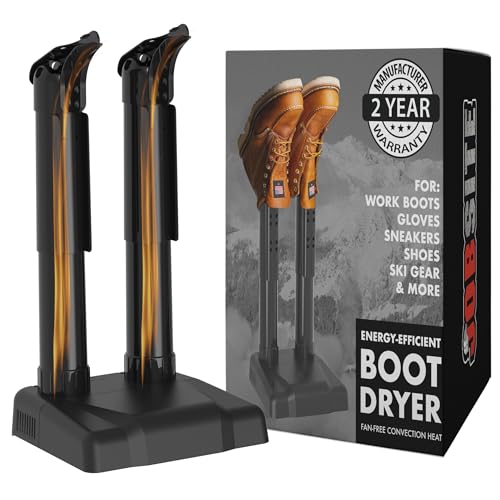 TOP CHOICEBest for work crews and garagesJobSite Boot DryerView on Amazon
- 4
 Best for home use with powerPEET Original Portable Electric Boot & Shoe DryerView on Amazon
- 5
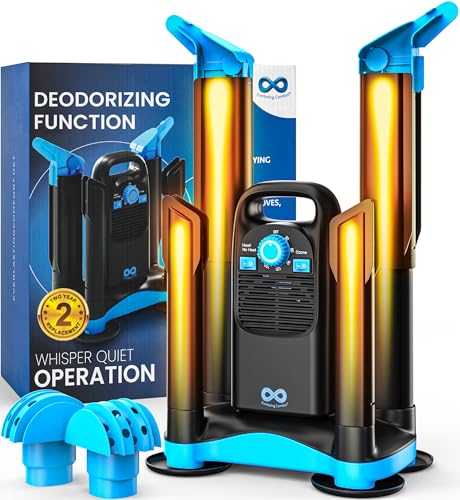 Best budget pickUpgraded Boot Dryer for Work BootsView on Amazon
- 6
 Best for multi-gear dryingDryGuy Shoe, Boot, Garment & Gear Electric DryerView on Amazon
Our Top Picks
Quick Comparison
| Product | Best for | Key feature |
|---|---|---|
| DRYSURE Extreme Boot Dryer Inserts | Traveling skiers and anyone without power | Reusable silica moisture absorbers |
| PEET Original Portable Propane 2-Shoe Boot Dryer | Camp and off-grid use | Propane-powered silent convection |
| JobSite Boot Dryer | Work crews and garages | Fanless, 36W design with deodorizing |
| PEET Original Portable Electric Boot & Shoe Dryer | Home use with an outlet | Silent always-on airflow |
| Upgraded Boot Dryer for Work Boots | Budget-minded buyers | Compact adjustable tube design |
| DryGuy Shoe, Boot, Garment & Gear Electric Dryer | Drying boots, gloves and gear together | Four ports with heat and fan |
DRYSURE Extreme Boot Dryer Inserts
DRYSURE Extreme Boot Dryer Inserts, Non Electric Reusable Silica Moisture Absorber for Ski, Snowboard, Hiking & Work Boots, Hockey Skates, Travel Friendly (Black & Green)
Best for: Traveling skiers and anyone who needs to dry boots without any power source.
This is a non electric option that works by absorbing moisture rather than heating boots. It suits skiers who stay in hotels, rental cabins or friends’ homes where a dryer is not available, and anyone who wants a simple, quiet solution for ski, snowboard, hiking and work boots, as well as hockey skates.
Key specs
- Non electric, reusable silica moisture absorber inserts
- Designed for ski, snowboard, hiking and work boots
- Compact enough for travel
Pros
- No power, fuel or heat source required
- Silent and safe to leave unattended
- Easy to pack in a boot bag
Cons
- Slower than heated dryers, so plan to use it overnight
- Silica needs to be recharged between uses to keep performing
Bottom line: The best fit for skiers who travel and need a quiet, power-free option. Plan on overnight drying.
View on AmazonPEET Original Portable Propane 2-Shoe Boot Dryer
PEET Original Portable Propane 2-Shoe Boot Dryer for Camp & Off-Grid Use | Propane-Powered, Silent Convection, No Electricity Needed, For Camp, Hunting & Off-Grid, Dries Work, Hiking & Athletic Boots
Best for: Camp and off-grid use where there is no electricity.
This propane-powered unit is built for hunters, campers and backcountry users who need heat without an outlet. It runs on propane rather than electricity, so it works at a remote campsite or in a cabin with no wiring.
Key specs
- Propane-powered, two-shoe capacity
- Silent convection drying
- Designed for camp, hunting and off-grid use
Pros
- Works with no electricity
- Heats boots faster than passive methods
- Quiet operation
Cons
- Requires a propane supply and careful ventilation
- Needs supervision, so it is not ideal for unattended overnight drying indoors
Bottom line: A strong choice for off-grid trips, provided you follow ventilation and propane safety guidance.
View on AmazonJobSite Boot Dryer
JobSite Boot Dryer – Silent Shoe & Glove Dryer, Warmer, Deodorizer for Work Boots, Winter Gloves & Ski Boot Liners – Fanless, 36W
Best for: Work crews and garages where boots and gloves get soaked daily.
This fanless unit is aimed at people who dry work boots, winter gloves and ski boot liners on a regular schedule. Its design suits a shop or garage where a steady, modest warmth is more useful than fast blasts of heat.
Key specs
- Fanless design
- 36W heating element
- Designed for shoes, gloves and ski boot liners
Pros
- Fanless operation keeps noise low
- Handles gloves and liners as well as boots
- Marketed with a deodorizing function
Cons
- Needs an electrical outlet, so it is not fully non electric
- Slower than higher-output dryers for fully soaked boots
Bottom line: A good pick for daily-use workspaces. Note that it runs on power, so it does not fit a strictly off-grid need.
View on AmazonPEET Original Portable Electric Boot & Shoe Dryer
PEET Original Portable Electric Boot & Shoe Dryer, Silent & Always-On | Dries Boots, Shoes & Sneakers Overnight, Safe on All Materials, For Work, Hiking & Hunting Gear, Made in USA, 25-Yr Warranty
Best for: Home use where an outlet is nearby and you want a dependable overnight dryer.
This electric model is built for everyday drying at home, in a garage or in a mudroom. It is included here because many skiers want a benchmark for comparison, even though it needs power and therefore falls outside a strict non electric category.
Key specs
- Electric, always-on operation
- Silent airflow
- Designed for boots, shoes and sneakers
Pros
- Runs unattended and quietly
- Suitable for many materials
- Manufacturer lists a long warranty
Cons
- Requires electricity, so it does not meet an off-grid need
- Less portable than inserts or compact tube units
Bottom line: Choose this for home drying with power. It is a reference point rather than a true non electric option.
View on AmazonUpgraded Boot Dryer for Work Boots
Upgraded Boot Dryer for Work Boots – Fast Drying Compact Easy-to-Use Shoe Warmer Adjustable Tube Design – Fast Drying Shoes Dryers for Sneakers & Gloves, Ski Gears (2 Pair)
Best for: Budget-minded buyers who want a compact dryer for occasional use.
This compact unit uses an adjustable tube design to fit into boots and sneakers. It suits people who dry boots only now and then and want something simple that takes little storage space.
Key specs
- Compact, adjustable tube design
- Sold as a two-pair set
- Listed for work boots, sneakers, gloves and ski gear
Pros
- Small footprint for storage
- Adjustable tubes fit a range of boot sizes
- Simple operation
Cons
- Drying speed varies, and owners often report it is slower on thick ski boot shells
- Requires electricity
Bottom line: A sensible budget pick for light, occasional drying. Heavy ski boot use may call for a stronger unit.
View on AmazonDryGuy Shoe, Boot, Garment & Gear Electric Dryer
DryGuy Shoe, Boot, Garment & Gear Electric Dryer, Quick Drying for Ski, Work, Sports Equipment – Energy Efficient, Odor Eliminating Design, Home or Garage Use,4 Port, Heat + Fan (Dry time: 1-3hrs)
Best for: Drying boots, gloves and gear together in one place.
This four-port dryer uses heat and a fan to handle footwear and soft gear at the same time. It suits families or groups who want one machine for all their wet equipment after a day on the mountain.
Key specs
- Four ports
- Heat and fan drying
- Listed dry time of roughly 1 to 3 hours
Pros
- Handles boots, gloves and garments together
- Listed odor-reducing design
- Works in a home or garage
Cons
- Requires electricity
- Takes up more floor or wall space than compact tube units
Bottom line: The right choice for multi-item drying at home. Not a non electric option, but a strong reference for group use.
View on AmazonBuying Guide
Power source
The most important factor is how you will power the dryer. Silica inserts need no power at all. Propane units need fuel and ventilation. Electric and fanless units need an outlet. If you ski from a cabin with no wiring, only the first two are realistic. Verify the power requirement on the listing before you buy.
Good picks for this: DRYSURE Extreme Boot Dryer Inserts, PEET Original Portable Propane 2-Shoe Boot Dryer
Drying method
Dryers work in different ways. Silica absorbs moisture passively and takes many hours. Convection and fan units move warm air and dry faster. Choose based on whether you need a slow overnight solution or a quicker turnaround before the next run.
Good picks for this: DRYSURE Extreme Boot Dryer Inserts, DryGuy Shoe, Boot, Garment & Gear Electric Dryer
Fit and size
Ski boots have stiff shells and narrow cavities, so check whether a dryer can reach the toe and heel. Tube and insert designs are often more adjustable than fixed-shelf models. Measure the depth of your boot cavity before you commit.
Good picks for this: Upgraded Boot Dryer for Work Boots, DRYSURE Extreme Boot Dryer Inserts
Portability and travel
If you pack your dryer in a bag, weight and bulk matter. Inserts and compact tube units are easiest to carry. Multi-port dryers are better suited to a fixed location.
Good picks for this: DRYSURE Extreme Boot Dryer Inserts, Upgraded Boot Dryer for Work Boots
Use case
Match the dryer to your main use: travel, off-grid camping, work boots, or mixed gear. A dryer built for daily work may not suit a weekend skier, and the reverse is also true. Think about how often you will use it before choosing.
Good picks for this: JobSite Boot Dryer, PEET Original Portable Electric Boot & Shoe Dryer
Durability and warranty
Check the warranty length and materials. Manufacturers list warranty terms in product details, and owners often note how well units hold up after repeated seasons. Silica products need periodic recharging, which is a maintenance step you should plan for.
Good picks for this: PEET Original Portable Electric Boot & Shoe Dryer, DRYSURE Extreme Boot Dryer Inserts
Care and safety
Propane and heated units need supervision and clearance from fabrics. Never leave any dryer running in an enclosed space without ventilation. If you are unsure about safe use with propane or electric heating near ski gear, consult the manufacturer or a qualified professional.
Good picks for this: PEET Original Portable Propane 2-Shoe Boot Dryer, JobSite Boot Dryer
FAQ
What is a non electric boot dryer?
A non electric boot dryer dries footwear without plugging into an outlet. Common types are silica-based inserts that absorb moisture and propane-powered units for off-grid use.
Do silica boot dryers work overnight?
Yes, silica inserts are usually left in boots overnight. Drying time depends on how wet the boots are and how much moisture the silica can absorb, so plan for several hours.
Is a propane boot dryer safe to use indoors?
Propane units produce combustion byproducts and need proper ventilation. Follow the manufacturer’s instructions closely, and if you have questions about safe use indoors, consult a qualified professional.
Can a non electric dryer handle ski boots?
Many silica inserts are listed for ski, snowboard and hiking boots. Check the product listing to confirm compatibility with your boot type.
How do I know if a dryer will fit my ski boots?
Measure the depth and width of your boot cavity and compare it with the product’s listed dimensions. Adjustable tube or insert designs generally accommodate more boot shapes.
Do I need to recharge silica boot dryers?
Yes. Silica absorbs moisture and must be dried out before reuse. Follow the manufacturer’s recharging instructions to keep the inserts working well.
Are electric boot dryers ever better than non electric ones?
Electric dryers dry faster and suit home use with an outlet nearby. Non electric options are better when power is unavailable. Choose based on where you will dry your boots.
Conclusion
For a true non electric boot dryer, the DRYSURE Extreme inserts suit travelers who need a quiet, power-free solution, and the PEET propane dryer suits off-grid camp and hunting trips with proper ventilation. Work crews and garages may prefer the fanless JobSite unit, while home users with an outlet can look at the PEET electric model or the DryGuy multi-port dryer. The Upgraded boot dryer is a sensible budget pick for light, occasional use. Match the dryer to your power situation first, then to your boot type and drying speed needs.
Sources
- Consumer safety guidance on portable heating and fuel-burning products, including propane use (cpsc.gov)
- Background on electric appliance energy use and safe home equipment practices (energy.gov)
- Workplace guidance on drying wet footwear and protective equipment safely (osha.gov)
Related reading
- Peet Original Electric Shoe and Boot Dryer Review: Features and Performance
- Top 7 Snowmobile Trailer Boot Dryers for Winter Riders (2026)
- Thermal Boot and Shoe Dryer: How to Dry Ski Boots Fast and Safely
- Sothing Portable Boot Dryer Review: Features and Performance
About Claire Whitaker
Claire Whitaker is part of our editorial team and reviews and edits our rocky mountain ski trips guides, checking product details against manufacturer specifications and owner feedback.
About the author
Claire Whitaker writes reviews and buying guides for Skiing The Rockies.