DryGuy Travel Dry Boot Dryer Review: Features and Performance
Reviewing the dryguy travel dry boot dryer: specs, pros and cons, who it suits, and how it compares to other DryGuy models for ski boots and travel.
 By Claire Whitaker
Updated November 10, 2026
 By Claire Whitaker
Updated November 2026
The dryguy travel dry boot dryer is a compact, portable option for skiers and riders who want to dry boots, liners and gloves away from home without hauling a full-size unit. It suits people who travel to the Rockies several times a season, stay in rentals or hotels with limited drying space, and want a unit small enough for a carry-on or a checked bag. It is less suited to anyone who needs to dry a large quantity of gear at once, dries in a cold garage where airflow is weak, or wants a unit that handles every type of footwear equally well. This review is based on manufacturer specifications and patterns in owner feedback, not hands-on testing.
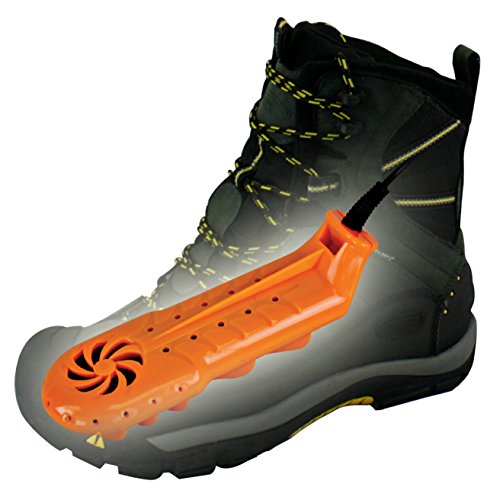
DryGuy Travel Dry DX Boot Dryer and Shoe Dryer, Orange & Black
Product Overview
The DryGuy Travel Dry DX is a forced-air boot dryer built around a small fan and heating element housed in a compact body. Its listing describes it as a travel-oriented version of the larger DryGuy DX line, aimed at drying ski boots, work boots and shoes in a fraction of the space a standard tower unit requires. The design uses flexible hoses or nozzles that slide into the boot opening so that warm air is pushed toward the toe and lining rather than simply heating the outside of the shell.
For skiers, the main appeal is that a ski boot holds a surprising amount of moisture after a day on the hill. Liners absorb sweat and snow melt, and the shell traps condensation. Drying those components overnight, rather than leaving them damp, is what keeps boots comfortable the next morning. If you are new to the category, our guide to Shoe and Boot Dryer Guide: How to Dry Ski Boots Fast and Safely (2026) explains how forced-air drying differs from passive methods like newspaper or open air.
Owners often describe the Travel Dry DX as a practical second-tier choice: more capable than a basic passive dryer and more portable than a full-size tower. Its main trade-off is capacity. It is designed to handle one or two pairs at a time, and drying times stretch when boots are heavily saturated.
Key Features & Specifications
The table below lists the specifications the product name and manufacturer materials make clear. Where a detail is not confirmed, it is left out rather than estimated.
| Feature | Detail |
|---|---|
| Brand and line | DryGuy, Travel Dry DX series |
| Product type | Forced-air boot and shoe dryer |
| Intended use | Ski boots, work boots, shoes, travel use |
| Heat source | Electric heating element with fan |
| Design | Portable, compact body |
| Finish | Orange and black |
| Power | Standard household electrical outlet |
Manufacturers generally specify that users should confirm voltage compatibility with their region before plugging in, and that the dryer should be run only on a stable surface with clear airflow around the unit. Always check the printed label and included instructions for the exact wattage and safety guidance for your model.
Pros & Cons
Pros
- Compact enough to pack for trips, which matters for ski travel where space is limited.
- Forced-air design dries the inside of boots faster than passive methods.
- Useful for shoes and work boots as well as ski gear, so it earns its place beyond the slopes.
- Simple controls and a plug-in design make setup quick in rentals and hotel rooms.
- Budget-friendly relative to larger tower units within the DryGuy range.
Cons
- Limited capacity; drying two pairs at once can slow results considerably.
- Performance drops in cold rooms or garages where ambient temperature is low.
- Requires a free outlet and clearance for airflow, which may be hard to find in some lodging.
- Not ideal for heavily saturated boots that need many hours to fully dry.
- Owners who expect a fast, all-day solution may find it better suited to overnight use.
Performance Analysis
Forced-air dryers work by moving warm air through the boot cavity. The key variables are airflow volume, air temperature and how well the nozzle or hose reaches the toe and cuff area. Because the Travel Dry DX is a compact unit, its airflow is necessarily more modest than full-size towers, and that is the main reason owner feedback tends to split on drying time. Boots that are only lightly damp typically come out ready within a few hours. Boots soaked through after a wet, slushy day usually need a full overnight cycle, and some owners report needing to rotate or reposition boots partway through.
Heat is the second variable. Warm air dries faster, but excessive heat can damage liners, adhesives and some synthetic materials. The DryGuy line is generally designed to run at moderate temperatures, and manufacturers advise against modifying the unit or placing it under insulation. For boots with heat-sensitive components, check the boot maker’s care instructions before using any heated dryer.
Room conditions matter more than many buyers expect. Owner accounts commonly mention that the unit performs noticeably better in a heated room than in an unheated garage, where cold air reduces the drying effect. If your lodging is cold, place boots in a warmer space and use the dryer there.
In terms of portability, the unit’s size is its main strength. It is easy to pack for trips to Colorado, Utah or Montana, and it fits into the same routine as a boot bag and packing list. For a broader view of what to bring, see Boot Dryer Dry Guy: How to Use One to Dry Ski Boots Fast (2026).
Who Should Buy This Product?
This dryer makes the most sense for skiers and riders who fly or drive to Rocky Mountain resorts and want a dependable way to dry boots in a rental condo or hotel. It also suits people who own one pair of boots and dry them once or twice a day rather than running a rotation of multiple pairs. Shoe and work boot owners who want a single portable unit for mixed footwear will also find it useful.
Skip it if you need to dry several pairs of boots and gloves at the same time every night, if you regularly ski in very cold, damp conditions where boots are soaked daily, or if your lodging has no reliable outlet near the drying area. In those cases, a larger tower dryer with more capacity or a multi-pair unit will serve you better. Our roundup of 7 Best Travel Boot Dryers: Top Picks for Ski Trips and Travel (2026) covers that wider range.
Buying Guide
Before buying any boot dryer, decide what you need it to do. Consider how many pairs you dry at once, how wet your boots typically get, whether you need to dry gloves, and how often you travel. Portability matters most for travelers; capacity matters most for families or multi-pair users.
Check the power requirements and confirm that your outlet and voltage match the unit. Look for a model with a clear heat setting, nozzles or hoses that fit your boot style, and a footprint you can accommodate in a closet or drying area. Read the manufacturer’s safety instructions carefully, and never leave a dryer running unattended or near flammable materials.
If the Travel Dry DX does not fit your needs, consider these well-known alternatives:
- A larger DryGuy model for higher capacity:

DryGuy Travel Dry Boot and Shoe Dryer and Warmer, Orange & Black
View on Amazon. The listing describes it as a boot and shoe dryer with warming function, suited to heavier daily use.
- A multi-purpose gear dryer for boots, garments and equipment:

DryGuy Shoe, Boot, Garment & Gear Electric Dryer, Quick Drying for Ski, Work, Sports Equipment – Energy Efficient, Odor Eliminating Design, Home or Garage Use,4 Port, Heat + Fan (Dry time: 1-3hrs)
View on Amazon. It lists four ports and a heat-plus-fan design, with a stated dry time of one to three hours.
For a broader comparison of options in the DryGuy family, see 6 Best Dryguy Travel Dry DX Boot Dryer Options for Ski and Travel (2026).
FAQ
Can the dryguy travel dry boot dryer dry ski boots overnight?
Yes, overnight is the typical use case. Lightly damp boots often dry within a few hours, while heavily soaked boots usually need a full overnight cycle. Results depend on how wet the boots are and the temperature of the room.
Is it safe to leave the dryer running while I sleep?
Many owners run boot dryers overnight, but manufacturers generally recommend following the included safety instructions, keeping the unit on a stable surface with clear airflow, and never covering it. If you have any concern, consult the product manual or a qualified electrician about placement near your sleeping area.
Will it damage my boot liners?
Moderate heat is generally designed to be safe for most boots, but heat-sensitive liners and adhesives can be affected by prolonged high temperatures. Check your boot manufacturer’s care guidance before drying.
Can I dry gloves with it?
The unit is marketed for boots and shoes. Some owners use boot nozzles for gloves, but for dedicated glove drying, a glove-specific attachment or a separate accessory may work better.
How much space does it need?
Because it is compact, it fits on a closet shelf or floor corner. Leave clearance around the unit for airflow, and keep it away from curtains, bedding and other combustible materials.
Does it work in cold rooms?
Performance drops when the ambient temperature is low. Owner feedback suggests drying in a warmer room gives noticeably better results than a cold garage.
How does it compare to a passive dryer?
Forced-air dryers move warm air into the boot and generally dry faster than newspaper, air or passive stuffers. Passive methods are cheaper and quieter but much slower.
Is it suitable for work boots too?
Yes. The product is marketed for ski boots, work boots and shoes, so it works for mixed footwear.
Final Verdict
The dryguy travel dry boot dryer is a practical, portable choice for skiers and travelers who need reliable overnight drying in limited space. Its strengths are compact size, forced-air performance and versatility across footwear. Its limits are capacity, cold-room performance and the need for a free outlet. If you dry one or two pairs at a time and travel regularly, it is a sensible fit. If you dry several pairs daily or work in cold conditions, consider a larger model.
Check current details and availability on the listing: View on Amazon.
About Claire Whitaker
Claire Whitaker is part of our editorial team and reviews and edits our rocky mountain ski trips guides, checking product details against manufacturer specifications and owner feedback.
About the author
Claire Whitaker writes reviews and buying guides for Skiing The Rockies.