5 Best Merino Wool Base Layer Women’s Picks for Rocky Mountain Skiing
Compare five merino wool base layer women's options for Rocky Mountain skiing, with key specs, pros, cons and who each one suits for cold days on the slopes.
 By Claire Whitaker
Updated November 8, 2026
 By Claire Whitaker
Updated November 2026
Choosing a merino wool base layer women’s set for Rocky Mountain skiing comes down to three things: how warm it runs for the temperatures you actually face, how well it manages sweat when you are working hard on a climb or in deep snow, and how comfortable the fit stays once you add a mid layer and a shell over it. Colorado, Utah and Montana resorts regularly see morning temperatures well below freezing and wind chill that can make a lift ride feel far colder than the thermometer suggests. The five options below were compared using manufacturer specifications, brand reputation and common owner feedback patterns, with attention to fabric weight, fiber fineness, fit style and whether each set is sold as a top and bottom combination. Where a detail is not clearly stated in the listing, we have left it out rather than guess.
Our top picks at a glance
- 1TOP CHOICEBest overallLEADHALO 100% Merino Wool Base Layer Women 250gsm Midweight Thermal SetView on Amazon
- 2
 TOP CHOICEBest for dry, cold resort daysMerino.tech 100% Merino Wool Base Layer Women SetView on Amazon
- 3
 TOP CHOICEBest for shoulder-season and backcountry touringWomens 100% Merino Wool Thermals Base Layer SetView on Amazon
- 4
 Best for all-year layeringInnophra 190 Merino Wool Base Layer ShirtView on Amazon
- 5
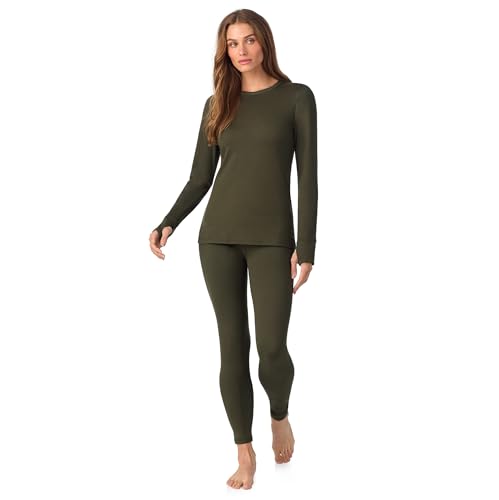 Best budget pickCuddl Duds Heavyweight 2 Piece Sets Base Layer Thermal Underwear for WomenView on Amazon
Our Top Picks
Quick Comparison
| Product | Best for | Key feature |
|---|---|---|
| LEADHALO 100% Merino Wool Base Layer Women 250gsm Midweight Thermal Set | Cold resort skiing with a balance of warmth and mobility | 250gsm midweight 100% merino with a slim layering fit |
| Merino.tech 100% Merino Wool Base Layer Women Set | Dry, very cold days on the lifts | Heavier-weight merino set in black |
| Womens 100% Merino Wool Thermals Base Layer Set | Skiing, hiking and touring across variable temperatures | Lighter 190-weight oatmeal set for layering flexibility |
| Innophra 190 Merino Wool Base Layer Shirt | Year-round outdoor use, including spring and fall | 190-weight long-sleeve merino top |
| Cuddl Duds Heavyweight 2 Piece Sets Base Layer Thermal Underwear for Women | Budget-conscious skiers and casual cold-weather use | Fleece-lined top and leggings set |
LEADHALO 100% Merino Wool Base Layer Women 250gsm Midweight Thermal Set
LEADHALO 100% Merino Wool Base Layer Women 250gsm Midweight Thermal Set | Women's thermal underwear top and bottom set with moisture-wicking comfort, soft 17.5-micron fibers, and a slim layering fit
Best for: Cold resort skiing with a balance of warmth and mobility
This set suits skiers who spend full days on the mountain in sustained cold and want a single base layer that works from first chair to last run. The midweight construction is aimed at people who would find a lightweight top too cool on a -10°F morning but who want to avoid the bulk of a heavy thermal.
Key specs
- 100% merino wool
- 250gsm midweight weight
- Top and bottom set
- Slim layering fit
- Soft fiber described at 17.5 microns
Pros
- Midweight fabric suits sustained cold on lift-served terrain
- Slim cut sits cleanly under ski pants and mid layers
- Full top-and-bottom set covers the whole body in one purchase
Cons
- Can feel warm during high-output days or in mild spring conditions
- The slim fit may feel snug for skiers who prefer roomier layers
Bottom line: A strong choice for skiers who want one dependable midweight set for the coldest days at Colorado, Utah and Montana resorts.
View on AmazonMerino.tech 100% Merino Wool Base Layer Women Set
Merino.tech 100% Merino Wool Base Layer Women Set – Thermal Underwear Women (Large, 250 Black)
Best for: Dry, very cold days on the lifts
This set is aimed at skiers who face persistently frigid conditions, such as early-season or high-elevation days where temperatures stay low and wind is a factor. It is a good fit for people who run cold and prefer a heavier base layer under insulated pants.
Key specs
- 100% merino wool
- Top and bottom set
- Black colorway
- Listed in a heavier 250-weight designation
Pros
- Heavier construction suits prolonged exposure to cold
- Full set provides consistent coverage from torso to ankle
- Black color pairs easily with most ski outerwear
Cons
- Heavier weight can feel excessive during warmer spring skiing
- Less versatile for mixed-activity days than a lighter set
Bottom line: Best for skiers who run cold and mostly ski in deep-winter conditions rather than variable spring weather.
View on AmazonWomens 100% Merino Wool Thermals Base Layer Set
Womens 100% Merino Wool Thermals Base Layer Set (Medium,190-Oatmeal) | Long Johns for Women, Winter Thermal Underwear, Cold Weather Base Layer for Skiing, Hiking & Outdoor Activities
Best for: Skiing, hiking and touring across variable temperatures
This lighter-weight oatmeal set is suited to skiers who move between resort runs, backcountry touring and hiking in the same season. Its lower weight makes it easier to regulate body temperature when you alternate between hard climbs and downhill runs.
Key specs
- 100% merino wool
- 190-weight designation
- Top and bottom set
- Oatmeal colorway
Pros
- Lighter weight gives flexibility across a wide temperature range
- Suitable for skiing, hiking and general outdoor use
- Works well as a standalone layer on milder days
Cons
- May feel underpowered for the coldest resort mornings
- Lighter fabric can show wear faster under heavy use
Bottom line: A versatile pick for skiers who split time between resort days, touring and hiking and need a set that adapts.
View on AmazonInnophra 190 Merino Wool Base Layer Shirt
Innophra 190 Merino Wool Base Layer Shirt Black Medium | All Year Around, Soft and Warm, Hiking, Outdoor, Long Sleeve Thermal Top, for Womens
Best for: Year-round outdoor use, including spring and fall
This is a top-only option for skiers who want a single long-sleeve merino layer that also works for hiking, cycling and travel. It is a good choice for people who already own bottoms they like and only need an upper-body base.
Key specs
- 100% merino wool (as commonly listed for this model type)
- 190-weight designation
- Long-sleeve top
- Black colorway in medium
Pros
- Versatile across seasons and activities
- Top-only format lets you build a custom layering system
- Lighter weight suits active days and variable weather
Cons
- No bottoms included, so a separate purchase is needed for full coverage
- Lighter weight may not be enough for the coldest resort days on its own
Bottom line: Ideal for skiers who want a flexible upper-body layer for all-year use and already have bottoms.
View on AmazonCuddl Duds Heavyweight 2 Piece Sets Base Layer Thermal Underwear for Women
Cuddl Duds Heavyweight 2 Piece Sets Base Layer Thermal Underwear for Women | Winter Clothing, Fleece Lined Long Sleeve Top & Leggings, Soft Lounge Set for Cold Weather, Moisture Wicking Heat Retention
Best for: Budget-conscious skiers and casual cold-weather use
This fleece-lined set is designed for warmth in cold conditions and is a sensible option for people who ski occasionally or want a thermal set for everyday winter wear. Note that this is a fleece-lined synthetic-style set rather than a pure merino product, which is why it sits at the budget end of this list.
Key specs
- Two-piece set: long-sleeve top and leggings
- Fleece-lined construction
- Designed as a heavyweight thermal
Pros
- Fleece lining provides strong immediate warmth
- Two-piece format is easy to buy and wear
- Suits lounging and casual cold-weather use as well as skiing
Cons
- Not a merino wool fabric, so odor resistance and natural temperature regulation differ from merino sets
- Bulkier feel may restrict layering under a shell
Bottom line: A reasonable entry point for skiers who want warmth on a budget, but those who prioritize merino’s natural properties should look at the other four picks.
View on AmazonBuying Guide
Fabric weight (gsm and weight designations)
Base layer weight is usually expressed in grams per square meter (gsm) or as a merino weight number. Lighter weights, around 150 to 200, suit mild days, high-output touring and layering flexibility. Midweight options around 250 suit most resort days in Colorado, Utah and Montana. Heavier fabrics work best for sustained cold and low activity. Match weight to your typical conditions rather than the coldest day you can imagine.
Good picks for this: LEADHALO 100% Merino Wool Base Layer Women 250gsm Midweight Thermal Set, Merino.tech 100% Merino Wool Base Layer Women Set
Fiber fineness
Merino fiber diameter, measured in microns, affects how soft the fabric feels against skin. Finer fibers, often listed in the high teens, tend to feel less itchy. Coarser fibers can feel scratchy to sensitive skin. If you have experienced itch with wool before, check the listed micron count and fabric description carefully.
Good picks for this: LEADHALO 100% Merino Wool Base Layer Women 250gsm Midweight Thermal Set, Womens 100% Merino Wool Thermals Base Layer Set
Fit and layering compatibility
A base layer should sit close to the body without restricting movement. Slim or athletic cuts work well under ski pants and insulated jackets. Check that sleeves reach your wrists when you bend your arms forward, and that the leggings do not ride up when you squat. Measure your chest, waist and hips and compare against the brand’s size chart rather than relying on your usual size in other brands.
Good picks for this: LEADHALO 100% Merino Wool Base Layer Women 250gsm Midweight Thermal Set, Innophra 190 Merino Wool Base Layer Shirt
Set versus single piece
Top-and-bottom sets give consistent coverage and are simpler to buy. Single pieces let you mix weights, for example a lighter top with heavier bottoms for skiing. If you already own bottoms you like, a top-only layer may make more sense. Think about how your legs and torso run warm or cold before deciding.
Good picks for this: Innophra 190 Merino Wool Base Layer Shirt, Womens 100% Merino Wool Thermals Base Layer Set
Intended use case
Resort skiing, backcountry touring, hiking and casual winter wear each demand something slightly different. Resort skiers often want a warm, close-fitting set for lift-served terrain. Tourers benefit from lighter, breathable layers that dump heat on climbs. Think about your most frequent activity and optimize for that rather than the occasional extreme day.
Good picks for this: Womens 100% Merino Wool Thermals Base Layer Set, Cuddl Duds Heavyweight 2 Piece Sets Base Layer Thermal Underwear for Women
Durability and care
Merino fabrics are generally considered durable for their weight, but lighter knits can pill or thin with repeated abrasion, especially where a ski boot or pack strap rubs. Most manufacturers recommend gentle washing in cold water and air drying flat to protect the fibers. Avoid high-heat dryers, which can shrink wool. Check the care label before washing.
Good picks for this: Merino.tech 100% Merino Wool Base Layer Women Set, Innophra 190 Merino Wool Base Layer Shirt
Budget and value
Merino sets generally cost more than synthetic or blended alternatives, and the premium reflects fiber cost and natural odor resistance. If you ski only a few days a season, a fleece-lined or synthetic set can be a reasonable starting point. Compare features rather than the sticker alone and decide which properties matter most to you.
Good picks for this: Cuddl Duds Heavyweight 2 Piece Sets Base Layer Thermal Underwear for Women, Innophra 190 Merino Wool Base Layer Shirt
FAQ
What weight of merino base layer is best for Rocky Mountain skiing?
Most skiers at Colorado, Utah and Montana resorts do well with a midweight layer around 250 gsm for cold days, and a lighter 150 to 200 weight for milder or high-output days. Many people use a mid-weight base and adjust with mid layers.
Does merino wool itch?
Fine merino fibers, typically in the high teens in microns, are generally soft against the skin. Itch can depend on fiber diameter, fabric construction and individual sensitivity. Trying the set on before a long day is a practical check.
How should I wash a merino base layer?
Wash in cold water on a gentle cycle, use a wool-safe detergent if possible, and air dry flat. Avoid high heat, which can shrink the fabric. Follow the care label on your specific garment.
Is merino better than synthetic for skiing?
Merino is often preferred for its natural temperature regulation and resistance to odor, which many skiers value on multi-day trips. Synthetic fabrics can be lighter and dry quickly. The right choice depends on your priorities. If you are weighing options, compare the merino and synthetic articles on this site for more detail.
Can I wear a merino base layer under ski pants?
Yes. Slim-fitting merino leggings are commonly worn under ski pants. Choose a fit that does not bunch at the knees or ankles, and check that the set does not restrict boot fit.
How many base layers should I pack for a ski trip?
For a multi-day trip, most people pack at least two sets so one can dry while the other is worn. Rotate sets daily and air them out overnight.
Conclusion
For most skiers the LEADHALO midweight set offers the most balanced option for cold resort days, while Merino.tech suits those who run especially cold and ski in deep winter. The lighter Womens 100% Merino Wool Thermals set and the Innophra top fit skiers who also tour or hike and want flexibility. The Cuddl Duds set is a reasonable budget choice for occasional use. Match fabric weight to your typical conditions, check the fit against the size chart, and choose a set that fits your main activity.
Sources
- Guidance on cold-weather exposure, hypothermia and frostbite risk, useful background for choosing warm layers (cdc.gov)
- Information on layering and cold-weather preparedness for outdoor recreation in mountain environments (nps.gov)
Related reading
- Top 5 Merino Wool Women Base Layer Picks for Rocky Mountain Ski Days
- Kari Traa Base Layer Review: Rose Women's Wool Top (2026)
- 8 Best Base Layer Wool Women's Picks for Cold Rocky Mountain Days
- Top 6 Merino Wool Base Layers for Skiing Picks for Rocky Mountain Days
- Smartwool Merino Wool Base Layer: A Practical Guide (2026)
About Claire Whitaker
Claire Whitaker is part of our editorial team and reviews and edits our rocky mountain ski trips guides, checking product details against manufacturer specifications and owner feedback.
About the author
Claire Whitaker writes reviews and buying guides for Skiing The Rockies.