Smartwool Base Layer Women’s (2026): Pros, Cons & Verdict
Smartwool women's base layer review for Rocky Mountain skiing: fit, merino weight, warmth, and who should buy this crew before your next trip.
 By Claire Whitaker
Updated November 9, 2026
 By Claire Whitaker
Updated November 2026
The smartwool base layer women’s crew in the Classic Thermal Merino line is one of the most widely recommended first base layers for cold-weather skiers. It is built from merino wool, it has a crew neck, and it is designed to sit against the skin under a mid-layer and shell. If you ski in Colorado, Utah, or Montana and want a top that handles variable temperatures without holding onto sweat, this piece deserves a close look. It suits skiers who run warm-to-moderate, value natural odor resistance on multi-day trips, and prefer a fitted layer that does not bunch under a jacket. It is less suited to skiers who want a heavyweight insulating layer for deep cold days, or those who sweat heavily and prefer a synthetic fabric that dries very fast on the body.
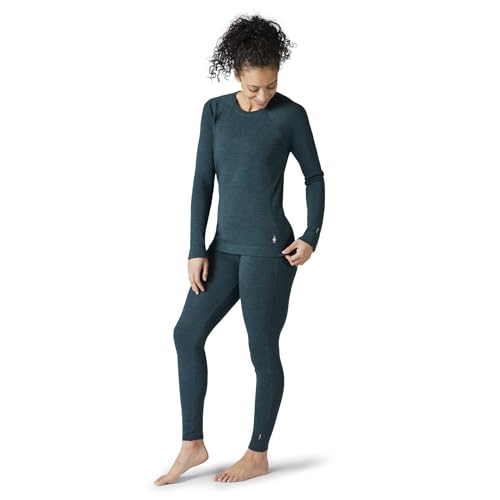
Smartwool Women's Classic Thermal Merino Base Layer Crew Twilight Blue Heather Large
Product Overview
This is the women’s Classic Thermal Merino Base Layer Crew from Smartwool, listed in the Twilight Blue Heather colorway in a Large size. The product sits in Smartwool’s thermal base layer category, which is built around a knit that traps warm air close to the body while allowing moisture to move outward. Smartwool positions the Classic Thermal line for active outdoor use, including skiing, hiking, and cold-weather layering, and the crew neck is intended to work under a fleece or softshell without a bulky collar.
For Rocky Mountain skiing, the logic of a base layer is simple. Your skin releases moisture as you climb a run or hike a boot-pack, and that moisture needs to leave the fabric before it cools you down at the lift top. Merino wool is a natural fiber with a fiber structure that absorbs vapor without feeling wet to the touch, and it is known for handling odor better than many polyester alternatives. That combination is the main reason this style has remained a staple in women’s ski wardrobes.
The fit is designed to be close without being compressive. Owners often describe the cut as slim enough to layer under a shell and mid-layer but not so tight that it restricts arm movement during pole plants. If you plan to wear it alone on mild days, the snug fit works well. If you intend to layer a thick sweater beneath your shell, consider sizing up and checking the chest and sleeve length against your usual base layer.
Key Features & Specifications
The table below lists the features that are stated in the product name or that Smartwool describes consistently for this line. Where a spec is not confirmed, it has been left out.
| Feature | Detail |
|---|---|
| Brand | Smartwool |
| Product type | Women’s base layer crew (long-sleeve top) |
| Line | Classic Thermal Merino |
| Primary fiber | Merino wool |
| Neckline | Crew |
| Colorway | Twilight Blue Heather |
| Size tested in listing | Large |
| Intended use | Cold-weather layering, skiing, outdoor activity |
| Layering position | Next-to-skin base layer |
Check the size chart on the listing before ordering. Smartwool sizing can run slightly different from one line to another, so comparing your chest, waist, and sleeve measurements against the chart is more reliable than relying on your usual size from a different brand.
Pros & Cons
Pros
- Merino wool fiber resists odor, which helps on multi-day trips when you cannot rinse the top between runs.
- The crew neck sits low enough to layer comfortably under a shell without adding bulk at the throat.
- Merino handles temperature swings well, staying warm when damp and feeling less clammy than many synthetics during stops at the lift.
- The thermal knit provides a useful amount of warmth for moderate-cold days without needing an extra mid-layer on its own.
- The colorway and understated styling work well as a standalone top on the mountain or in town.
Cons
- Merino wool generally dries more slowly than polyester, so heavy sweaters can stay damp longer during hard climbs.
- The fit is close, which may feel restrictive if you plan to layer a thick fleece underneath your shell.
- Merino is more delicate than synthetic fabrics and usually calls for gentle washing and flat drying to keep its shape.
- The thermal weight is not suited to deep-cold days below roughly zero Fahrenheit unless you add a mid-layer.
- Some owners report that the fabric can pill over time with frequent wear under a rough outer shell.
Performance Analysis
Performance in a base layer comes down to three things: how well it manages moisture, how much warmth it holds at a given activity level, and how it behaves over repeated wear. The following analysis draws on the fiber and construction described by the manufacturer and on patterns that appear consistently in owner feedback, rather than on any test conducted for this review.
Moisture management
Merino wool absorbs a meaningful amount of water vapor before it feels wet, which is useful during the steady, moderate sweating that happens on a long cruiser run or a traverse. Smartwool’s own descriptions emphasize this vapor-handling quality. In practice, the sensation for many wearers is that the layer feels dry against the skin longer than a basic polyester top would. The tradeoff is drying time. Once a merino garment is fully saturated, it takes longer to release that water, especially in cold, humid air at altitude. Skiers who sweat heavily on steep climbs or in sun-warmed snow may find this top takes a while to dry between runs, and should consider keeping a spare layer in the pack.
Warmth and temperature range
The thermal knit is intended to provide a moderate layer of insulation that works across a range of conditions. Owners commonly report that it performs well from the mid-20s into the 30s Fahrenheit when worn under a shell with a mid-layer, and that it can feel adequate on milder days worn alone. For colder mornings, especially at higher elevations such as Colorado’s upper resorts, the top is best treated as one part of a system rather than a standalone solution. Pairing it with a midweight fleece or a light insulated piece gives you flexibility to add or remove warmth as the day changes.
Fit and mobility
The slim, crew-neck cut is designed to stay in place under a jacket and avoid the bunching that can occur with looser knits. Owners often note that the sleeves stay put when they reach for poles and that the body length keeps the layer tucked into ski pants. Because the fit is close, the main risk is restriction when layering a bulkier mid-layer. Trying the top on with the mid-layer you plan to wear is the most effective way to check this.
Durability and care
Merino base layers are generally expected to last a good number of seasons with proper care. Machine washing on a gentle cycle in cool water, avoiding high heat, and laying the garment flat to dry are the practices most often recommended by manufacturers and by experienced wool owners. Pilling is one of the more commonly mentioned wear issues, typically in areas that rub against a harness, a backpack strap, or a rough shell fabric. Rotating layers and avoiding excessive friction can help extend the life of the top.
Who Should Buy This Product?
This top fits a particular set of skiers well. It is a strong choice if you want one reliable, comfortable base layer that works across mild and moderately cold days and that stays fresh over several days in a row. Skiers who value a natural fiber, who dislike the feel of synthetic fabrics against the skin, or who tend to run warm but not heavy sweaters often find merino a comfortable match. Women who ski in the Rockies on a mix of sunny and storm days will also benefit from the flexibility of a layer that handles temperature changes without feeling clammy.
It is less appropriate if your primary concern is extreme cold, if you sweat heavily and need a top that dries very quickly, or if you prefer a loose, roomy fit for stacking several layers. Skiers who spend long days in deep cold, such as ski patrol or backcountry touring in high-alpine terrain, may need a heavier base layer or a dedicated system. If you are hard on your clothing with a lot of friction or frequent machine drying, a more durable synthetic blend may suit you better.
Buying Guide
Choosing a women’s base layer involves a few decisions beyond the brand name. Start with the fiber. Merino wool offers odor resistance and a comfortable feel when damp, while synthetic options such as polyester dry faster and tend to cost less to replace. Next, think about weight. Lightweight tops suit high-output activities and warmer days, midweight tops are the most versatile for general resort skiing, and heavyweight tops are best for very cold conditions or low-activity time outdoors. Finally, check the fit. A base layer should be snug against the skin without restricting movement, and it should be long enough to stay tucked into your ski pants.
Here is a practical sequence for deciding:
- Measure your chest, waist, and sleeve length, and compare them to the size chart for the specific product.
- Decide whether you plan to wear the top alone on warm days or always under a mid-layer.
- Choose a fiber based on your sweat rate and how much you care about odor on multi-day trips.
- Match the weight to your typical temperatures, keeping in mind that you can add a layer but cannot easily remove one that is too warm.
- Consider whether you want a crew neck for a clean line under a shell or a zip neck for adjustable ventilation.
Several well-known alternatives are worth comparing if this top does not match your needs. The first is a merino crew from the same brand with a different thermal weight, which is useful if you want more or less warmth than the Classic Thermal line offers.

SmartWool Womens Merino 250 Base Layer Crew, Mink Heather, Small
The SmartWool Womens Merino 250 Base Layer Crew is a heavier-weight option that many skiers consider for colder days, and its different weight makes it a useful comparison point when deciding how warm you need your top to be.
The second alternative is another Classic Thermal crew in a different colorway and size range, which may suit you if you need a different fit or simply prefer a different shade for your ski kit.

SmartWool Womens Classic Thermal Merino Base Layer Crew Chalk Violet Heather Medium
If you are weighing merino against synthetic options, it helps to read more about fiber performance before you buy. For a broader look at how the materials compare, see Men Merino Wool Base Layer vs Synthetic: Which Should You Choose? (2026) and Ladies Merino Wool Base Layer vs Synthetic: Which Is Better for Rockies Skiing?. For a wider field of options, 6 Best Skiing Base Layer Women's Picks for Rocky Mountain Days (2026) covers several styles across price and weight categories.
FAQ
Is merino wool warm enough for skiing in the Rockies?
Merino is warm for its weight and keeps much of its insulating value when damp. For most resort days in Colorado, Utah, and Montana, a midweight merino top under a shell and mid-layer provides good coverage. On very cold mornings, add a fleece or insulated mid-layer rather than relying on the base layer alone.
How should I wash a merino base layer?
Wash in cool water on a gentle cycle, use a wool-safe detergent if possible, and avoid fabric softener. Lay the top flat to dry, away from direct heat. Following these steps helps maintain fit and reduces the chance of shrinkage or pilling over time.
Does merino really resist odor better than polyester?
Merino fiber tends to hold less odor-causing bacteria than many synthetics, which is why it is widely recommended for multi-day trips. Results vary with individual body chemistry and how much you sweat, so treat this as a general tendency rather than a guarantee.
Should I size up for layering?
If you plan to wear a thick mid-layer under your shell, sizing up can prevent the top from feeling tight across the chest and shoulders. Try the base layer on with the mid-layer you intend to wear before deciding.
How long does a women’s merino base layer last?
With regular gentle washing and careful drying, a merino base layer can last several seasons. Pilling and stretching are the most commonly reported wear issues, often in areas under straps or harnesses. Rotating layers can extend the life of each piece.
Can I wear this top alone in the spring?
Yes, on mild spring days in the Rockies the top can work well as a standalone layer, especially during warmer afternoons when snow softens and you are working harder on the trail or in the terrain park. Pack a lighter layer for the lift ride and early morning.
Is a crew neck better than a zip neck for skiing?
A crew neck gives a clean, low profile under a shell and avoids the gap a zip can create when you are moving. A zip neck offers adjustable ventilation for high-output days. Choose based on how warm you tend to run and whether you prefer a closed or adjustable neckline.
Final Verdict
The smartwool base layer women’s Classic Thermal crew is a sound, well-rounded choice for skiers who want merino comfort, a close fit under a shell, and a top that works across mild to moderately cold days. Its strengths are odor resistance, a comfortable feel against the skin, and a neckline that layers well. Its limitations are slower drying than synthetics, a fit that may feel restrictive under thick layers, and a need for gentle care. If you match those trade-offs to your skiing style, it earns a place in your base layer rotation.
View on AmazonAbout Claire Whitaker
Claire Whitaker is part of our editorial team and reviews and edits our rocky mountain ski trips guides, checking product details against manufacturer specifications and owner feedback.
About the author
Claire Whitaker writes reviews and buying guides for Skiing The Rockies.