Smartwool Base Layer Women Review: Classic Thermal Merino Crew
Smartwool base layer women's review: fit, warmth, merino performance and who should buy the Classic Thermal crew for Rocky Mountain ski days.
 By Claire Whitaker
Updated November 9, 2026
 By Claire Whitaker
Updated November 2026
Looking for a smartwool base layer women’s option that handles cold Rocky Mountain mornings without feeling bulky under a shell? The Smartwool Women’s Classic Thermal Merino Base Layer Crew is built for skiers who want merino warmth, a close fit and a top that works as a standalone layer on mild days. It suits skiers who spend long hours on the chairlift, want a dependable layer for variable mountain weather, and prefer a natural-fiber option that resists odor between runs. It is less suited to people who run very hot, want a light summer-weight piece for high-output backcountry touring, or who prefer a synthetic fabric that dries faster in heavy sweat. Read on for the specs, the trade-offs and how it compares to other Smartwool options.
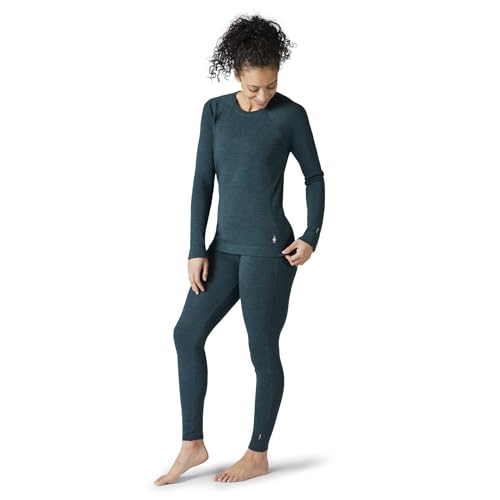
Smartwool Women's Classic Thermal Merino Base Layer Crew Twilight Blue Heather Large
Product Overview
The Smartwool Women’s Classic Thermal Merino Base Layer Crew is a long-sleeve top in the Twilight Blue Heather colorway, listed in size Large. It belongs to Smartwool’s Classic Thermal line, a family of merino base layers designed for cold-weather activity rather than casual wear. The crew neck sits close to the collarbone, which keeps it from bunching under a helmet strap or a neck gaiter. The garment is intended to be worn next to skin as the first layer in a ski system, with a mid layer and a waterproof shell on top.
Because this is a thermal base layer rather than a lightweight running top, the fabric is heavier than summer merino and it holds more heat in still air. That makes it a reasonable match for lift-served resort skiing at Colorado, Utah and Montana areas where temperatures at mid-mountain often sit in the teens or low twenties Fahrenheit on clear mornings and can drop further at higher, exposed lifts. Anyone planning to ski at high elevation should plan their layering around the conditions described in Women's Base Layer Clothing: How to Choose and Layer for Rocky Mountain Skiing.
Key Features & Specifications
The table below lists only the attributes that are stated in the product name or that Smartwool specifies for this product line. Confirm final details on the manufacturer’s listing before purchase, since specifications can change between production runs.
| Feature | Detail |
|---|---|
| Product type | Women’s long-sleeve base layer crew |
| Fiber | Merino wool |
| Product line | Smartwool Classic Thermal |
| Color | Twilight Blue Heather |
| Size shown | Large |
| Neck style | Crew |
| Intended use | Cold-weather base layer for skiing and winter outdoor activity |
| Layering position | Next-to-skin first layer |
Smartwool generally describes merino base layers in this line as suited to temperature regulation and odor control. Owners often report that the fabric stays comfortable across a range of activity levels, though individual experience varies with metabolism and body temperature.
Pros & Cons
Pros
- Merino fiber provides natural warmth-to-weight performance that many skiers prefer over cotton.
- Crew neck sits low enough to avoid collar irritation under a helmet or goggle strap.
- Thermal weight makes it a practical standalone layer on cold lift lines without a mid layer.
- Merino generally resists odor better than synthetic fabrics across multi-day trips.
- Single-color heather design coordinates easily with most ski pants and mid layers.
Cons
- Heavier thermal weight can feel warm during hard uphill skinning or high-output runs.
- Merino typically dries more slowly than polyester or nylon blends after heavy sweating.
- Fit is cut for a standard athletic silhouette, so riders who want a looser layer may size up.
- Requires gentle laundering to preserve shape and fiber integrity over a long season.
Performance Analysis
Performance in a base layer comes down to three things: how well it insulates when you are standing still, how it manages moisture when you are working hard, and how it holds up to repeated wear. Merino wool is hygroscopic, meaning it can absorb a meaningful amount of water vapor before feeling damp. That property helps keep skin feeling drier during moderate effort, which matters on long lift rides where you cool down quickly between runs.
The thermal weight of this crew makes it most effective in the cold end of the range. On clear, windless mornings at higher-elevation resorts, owners often report that the top alone is enough to stay warm while waiting in lift lines, with a fleece or light puffy added only when wind picks up. During aggressive runs or a warm afternoon, the same weight can trap heat, so vent the shell or unzip a mid layer rather than shedding the base layer itself.
For multi-day trips, merino’s odor resistance is one of the most consistently praised features in owner feedback. A top can typically be worn for several days between washes, which reduces the amount of gear you need to pack. The trade-off is drying time: after a sweaty run, merino takes longer than synthetic fabric to dry, so it is worth carrying a spare top on longer trips or hanging this one near a heater overnight. If you are weighing fiber choices more broadly, Men Merino Wool Base Layer vs Synthetic: Which Should You Choose? (2026) walks through the same trade-offs in more detail.
Durability depends on care. Merino fibers can pill or stretch if dried in a machine or wrung hard, so hand washing in cool water and drying flat will extend the life of the garment considerably.
Who Should Buy This Product?
This top fits skiers who ski in consistently cold conditions, spend time standing on lifts or in lines, and want a natural-fiber layer that works without a lot of extra bulk. It is a strong choice for Colorado, Utah and Montana trips where morning temperatures are reliably low and the day warms gradually. Skiers who appreciate a close fit and want to wear one layer under a shell without a separate mid layer will likely find it useful.
You should skip this top if you run hot, do most of your skiing at intense backcountry touring intensity, or prefer synthetic fabric that dries quickly after heavy sweating. Riders who want a lightweight, high-output option for spring corn snow may also find a midweight or lightweight merino easier to live with. For a comparison of thermal options across price tiers and weights, see Women's Thermal Base Layer Picks: 6 Best for Rocky Mountain Skiing (2026).
Buying Guide
Start by matching the garment’s weight to your conditions and activity level. Thermal-weight merino like this one is designed for cold days and moderate effort. If you ski mostly warm spring conditions or push hard on uphill sections, a lighter weight will feel more comfortable. The guide Merino Base Layer Clothing: How to Choose and Layer It for Rocky Mountain Skiing is not linked here, but the general principle is the same: layer by temperature and output, not by brand.
Check sizing carefully. Smartwool’s fit is athletic, so measure your chest and compare it to the brand’s size chart rather than relying on your usual size in other brands. If you plan to wear a thin mid layer underneath, you may want to size up. Confirm the exact size and color on the listing before ordering, since the Large in Twilight Blue Heather is only one of several variants.
When comparing options, look at neck style, zip presence and fiber. Here are two well-known Smartwool alternatives worth considering:
- SmartWool Women’s Merino 250 Baselayer Crew – a midweight crew in black, useful if you want a slightly lighter feel for mixed resort days.

SmartWool SW016369001L Women's Merino 250 Baselayer Crew Black L
- SmartWool Women’s Classic Thermal Merino Base Layer 1/4 Zip – a midweight 250 g/m² merino option with a quarter-zip, which adds ventilation control when you start to warm up.

SmartWool Womens Classic Thermal Merino Base Layer 1/4 Zip Black Medium | Midweight: 250g/m2, Body Temp Regulation Technology, 100% Merino Wool Fabric
If you are considering a non-Smartwool option, Women's Base Layer Clothing: How to Choose and Layer for Rocky Mountain Skiing covers how to think about fiber, weight and fit across brands.
FAQ
Is this base layer warm enough for very cold Rocky Mountain days?
Its thermal weight makes it suitable for cold, dry conditions when worn with a shell and a mid layer as needed. On extremely cold or windy days, most skiers add a fleece or light puffy on top rather than relying on the base layer alone.
Does merino wool itch?
Many people find merino comfortable against the skin, though sensitivity varies. Fine-gauge merino is generally softer than coarse wool, and a close, athletic fit can reduce friction. If you have sensitive skin, try the garment on before a long day.
How should I wash it?
Cool or lukewarm water with a gentle, wool-safe detergent is the usual recommendation. Avoid high heat and tumble drying, which can cause shrinkage and pilling. Lay flat to dry.
Can I wear it for a full ski day without a mid layer?
On cold days with moderate effort, many skiers wear it alone under a shell. If you tend to sweat or the day warms significantly, carry a lighter layer to add or remove as needed.
How does merino compare to synthetic for skiing?
Merino resists odor better and feels warmer when damp. Synthetic fabrics typically dry faster after heavy sweating. The right choice depends on your output level and how many days you plan to wear the same garment between washes.
Should I size up for layering?
If you plan to wear a thin mid layer underneath, sizing up can help. Otherwise, follow the brand size chart and choose the fit that sits close without restricting movement.
Is this suitable for backcountry touring?
It can work for moderate touring in cold conditions, but its thermal weight may be warm during sustained uphill effort. A lighter merino or synthetic top may be more comfortable for high-output touring.
Where can I check the latest specifications?
Manufacturer listings and size charts are the most reliable sources for current specifications. If you have questions about sizing or fit for a specific body type, consult the retailer’s customer service or a fit specialist.
Final Verdict
The Smartwool Women’s Classic Thermal Merino Base Layer Crew is a solid choice for skiers who want a natural-fiber, thermal-weight top for cold Rocky Mountain days. Its close crew fit, merino warmth and odor resistance make it practical for lift-served skiing and multi-day trips, while its heavier weight and slower drying mean it is less ideal for high-output or warm-weather use. Check the size chart, match the weight to your typical conditions, and you will likely find it a dependable first layer for the season.
View on AmazonRelated reading
About Claire Whitaker
Claire Whitaker is part of our editorial team and reviews and edits our rocky mountain ski trips guides, checking product details against manufacturer specifications and owner feedback.
About the author
Claire Whitaker writes reviews and buying guides for Skiing The Rockies.