Drysure Extreme Boot Dryer Review: Is It Worth It? (2026)
Reviewing the drysure extreme boot dryer: a non-electric silica insert for ski and snowboard boots. See who should buy it, who should skip it, and why.
 By Claire Whitaker
Updated November 10, 2026
 By Claire Whitaker
Updated November 2026
The drysure extreme boot dryer is a non-electric, reusable silica insert designed to pull moisture out of ski, snowboard, hiking and work boots overnight. It suits skiers who want a quiet, cord-free way to keep boots dry on a trip, especially in places without a reliable outlet or where a heated dryer feels like overkill. It is a weaker fit for anyone who needs boots bone-dry in a few hours, who has heavily soaked liners that need heat to fully recover, or who expects it to replace a forced-air unit for daily use. Read on for the specifics before you decide.
DRYSURE Extreme Boot Dryer Inserts, Non Electric Reusable Silica Moisture Absorber for Ski, Snowboard, Hiking & Work Boots, Hockey Skates, Travel Friendly (Black & Orange)
Product Overview
The drysure extreme boot dryer is a set of reusable inserts filled with silica gel, the same moisture-absorbing material found in many packaged goods. Instead of blowing warm air into a boot, the inserts work passively. You place one in each boot, leave them in place, and the silica draws water vapor out of the surrounding air and material. When the silica is saturated, you dry it out and use it again.
The product name indicates it is aimed at a broad range of footwear: ski boots, snowboard boots, hiking boots, work boots, and even hockey skates. The listing also positions the inserts as travel friendly, which makes sense given that they require no power source, no adapter and no hose. For skiers, the appeal is simple: throw a pair in your bag and deal with damp boots without hunting for an outlet in a rental condo or a lodge with limited electrical access.
It helps to understand what a passive absorber can and cannot do. Silica does not add heat. It lowers humidity inside a closed space, which slowly pulls moisture from the materials around it. That makes it gentle on boot liners and shells, and it avoids the risk of overheating that comes with some powered units. It also means drying is slower than what a warm-air dryer achieves. Plan on overnight time rather than an hour or two.
Because the inserts are non-electric, they carry no plug-in or propane safety considerations. That is a real advantage for anyone uneasy about leaving a heated device running unattended in a small room. For a broader comparison of the drying methods available, see Shoe and Boot Dryer Guide: How to Dry Ski Boots Fast and Safely (2026).
Key Features & Specifications
The table below lists only the characteristics stated in the product name or that are generally true of this type of product. Check the packaging you receive for exact dimensions, count and capacity, since those details can vary between versions.
| Feature | Detail |
|---|---|
| Product type | Non-electric boot dryer inserts |
| Drying agent | Silica gel (reusable moisture absorber) |
| Power requirement | None; passive operation |
| Intended footwear | Ski, snowboard, hiking and work boots; hockey skates |
| Reusability | Reusable after the silica is dried out |
| Travel use | Marketed as travel friendly |
| Color | Black and orange |
Specifications such as exact insert dimensions, number of inserts per pack, and recharge time should be confirmed on the packaging or manufacturer documentation before purchase, since listing details can change.
Pros & Cons
Pros
- No electricity, cord, or propane needed, so it works in any room, vehicle or lodge.
- Passive silica operation avoids direct heat, which many owners view as gentler on liners and leather.
- Reusable: dry the silica and use it again rather than replacing a disposable product each trip.
- Compact and light, which suits packing into a ski bag or carry-on.
- Silent, with no fan noise to disturb a shared room.
- Covers a range of footwear, from ski boots to work boots.
Cons
- Drying is slow compared with forced-air or heated dryers; expect overnight time.
- Silica needs a separate drying step to recharge, which adds a routine to manage.
- Less effective on heavily saturated liners that have absorbed a lot of snow melt.
- Not a substitute for a heated unit if boots must be ready for the next morning after a wet day.
- Capacity is limited by the amount of silica, so repeated use without recharging reduces performance.
Performance Analysis
Performance for a passive absorber comes down to two questions: how fast does it pull moisture, and how much moisture can it hold before it needs recharging? Based on the product design and the general behavior of silica-based dryers, the drysure extreme boot dryer is best judged as an overnight or long-soak solution rather than a quick-turnaround tool.
Owners of silica-based boot inserts commonly report that results depend heavily on the starting condition of the boot. A lightly damp boot that was only sweated in on a cool day tends to dry out noticeably by morning. A boot that came off the snowpack soaked through, with wet liners and a damp footbed, often needs a second night or some help from airflow in the room. Boots that were saturated with snow and water are the hardest case for any passive method.
Recharging is the other practical factor. Silica can be restored by drying it in an oven at a low setting or using the manufacturer’s recommended method, and many people find the cycle workable on a trip if they have a second set ready. Owners often note that using one pair continuously without recharging makes the second and third nights noticeably less effective. Rotating two sets is a common workaround.
Airflow helps. Placing boots somewhere with room air circulating, rather than jammed into a closed bag or tight closet, speeds moisture movement from the boot into the surrounding air, where the silica can then capture it. Keep boots out of direct sun, which can warm the shell and stress the materials even though the dryer itself adds no heat.
For skiers who rely on boots being dry by the next morning after multiple wet days, the passive approach will likely feel too slow without a supplementary method. For those who arrive at a rental after a dry day and simply want to avoid the cold, damp feeling of yesterday’s boots, it is a reasonable fit.
Who Should Buy This Product?
This product makes sense for a specific set of skiers and riders:
- Travelers who stay in places without a convenient outlet, or who prefer not to run a heated device overnight.
- Owners of boots with sensitive liners or leather who want to avoid direct heat.
- Skiers who take one or two trips a season and mostly deal with dry or lightly damp boots.
- Anyone who wants a backup to a heated dryer, stored in a bag for trips where power is uncertain.
- People who use the same inserts across several footwear types, such as ski boots and hiking boots.
Skip it if you need boots fully dry within a few hours after a soaked day on the mountain, if you dry boots every single day during a long season, or if you are trying to rescue boots that are visibly soaked through. In those cases a forced-air or heated dryer, used carefully, will serve you better. Keep in mind that drying and boot fit are separate issues, so if your boots do not fit well, the dryer will not solve that.
Buying Guide
Before buying any boot drying method, consider how you typically deal with wet boots. Ask yourself these questions:
- How soon do you need the boots dry? Overnight is fine for a passive product. If you need them dry in an hour or two, look at powered options instead.
- Do you have power at your usual lodging? If not, a non-electric option is a strong fit.
- How many pairs of boots will you dry? More pairs mean more silica to recharge or more sets to rotate.
- What material are your liners? Passive drying is gentler on heat-sensitive materials, which matters for some leather and specialty liners.
- How will you recharge the silica? Plan for a drying step and keep it simple to do on a trip.
If you want a different approach, two well-known alternatives are worth comparing. The DryGuy Travel Dry DX is a boot and shoe dryer that gives you a fan-assisted option for faster drying:
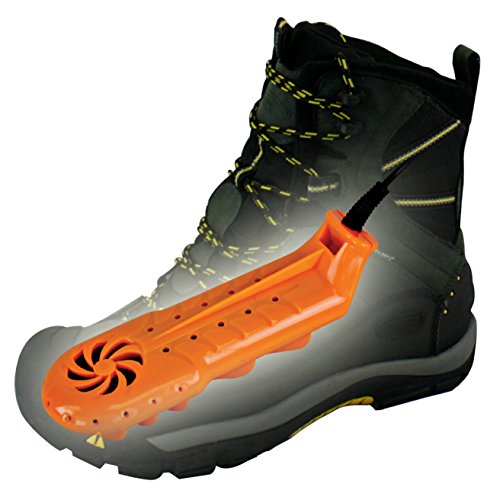
DryGuy Travel Dry DX Boot Dryer and Shoe Dryer, Orange & Black
View on Amazon. For lighter-duty footwear such as running shoes and cycling shoes, a dedicated shoe-focused silica insert may be more appropriate:

DRYSURE Active Shoe Dryer Inserts, Non Electric Reusable Silica Shoe Deodorizer and Moisture Absorber for Running, Golf & Cycling Shoes, Sneakers, Cleats (Black & Orange, Large)
View on Amazon. Note that the second is designed primarily for smaller athletic footwear rather than tall ski boots. For more context on travel-focused options, see 7 Best Travel Boot Dryers: Top Picks for Ski Trips and Travel (2026) and DryGuy Travel Dry Boot Dryer Review: Features and Performance.
Regardless of method, never leave a boot dryer unattended in a way that could create a fire hazard, and follow the manufacturer’s instructions for any heated device. If you are unsure whether a product suits your specific boots or a medical concern such as circulation or skin sensitivity, consult a professional boot fitter or your doctor.
FAQ
Does the drysure extreme boot dryer work on ski boots?
The product is positioned for ski and snowboard boots among other footwear types. It works passively, so expect overnight drying rather than rapid results, especially if liners are heavily soaked.
Is it safe to use with leather boots?
Because it adds no heat, it is generally considered gentler than heated dryers on leather and sensitive materials. Still, check your boot manufacturer’s care guidance for any specific restrictions.
How long does it take to dry boots?
For lightly damp boots, an overnight period is typical. Heavily soaked boots may need longer or a second night. Exact timing depends on the starting moisture, room airflow and how recently the silica was recharged.
How do I recharge the silica?
Silica is typically restored by drying it using the method recommended on the packaging or by the manufacturer. Follow those directions carefully, and let the material cool before reuse.
Can I use it on a trip without electricity?
Yes. Because it is non-electric, it works in lodges, vehicles and rentals without outlets. This is one of its main practical advantages.
Will it dry hiking and work boots too?
The listing names hiking and work boots as intended footwear. Performance will depend on the boot’s construction and how wet it is at the start.
Should I use two sets?
Many owners rotate two sets so one can dry while the other is in use. This helps maintain performance across multi-day trips.
Is it a replacement for a heated boot dryer?
Not for fast turnaround. It works best as an overnight, quiet, cord-free option. If you need boots ready within a few hours after heavy wet conditions, a heated unit is more suitable.
Final Verdict
The drysure extreme boot dryer is a sensible choice for skiers who value a quiet, cord-free, reusable way to keep boots from staying damp overnight. It is gentle on materials and simple to travel with, but it is slow and rewards a planned routine with recharging and rotation. If you need fast drying or handle soaked boots daily, pair it with a heated method or choose a powered dryer instead.
View on AmazonRelated reading
About Claire Whitaker
Claire Whitaker is part of our editorial team and reviews and edits our rocky mountain ski trips guides, checking product details against manufacturer specifications and owner feedback.
About the author
Claire Whitaker writes reviews and buying guides for Skiing The Rockies.